
Independent Coffee Shop Consulting
The walk from door to departure decides more than the coffee does.
Most customers form an opinion about your shop within their first few steps inside. Where they look. How long they wait. Whether the board makes a decision easy or exhausting. Whether the barista's suggestion feels like a favor or a script. Zejofu Havuta studies that walk, from the sidewalk to the exit, and helps independent owners rebuild it around how people actually move and choose.
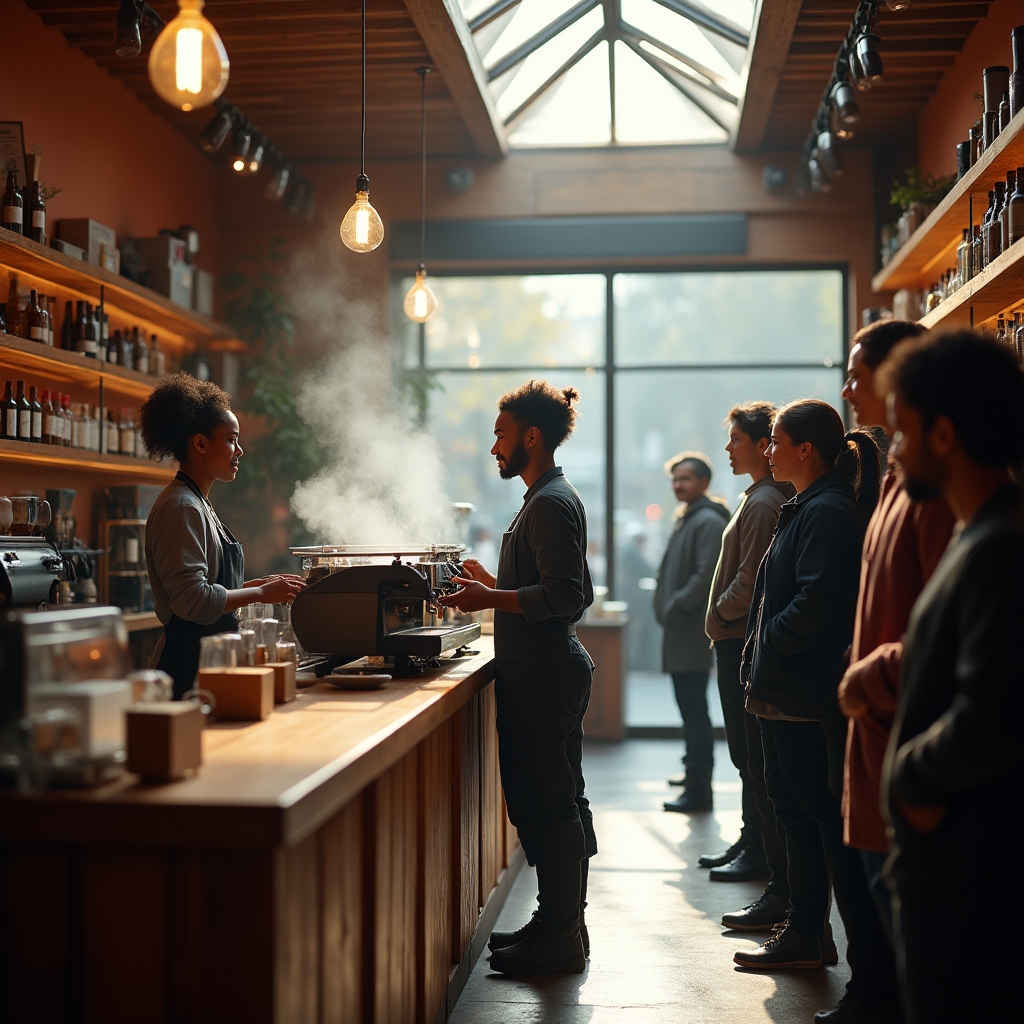
Observed on-site, not guessed at from a spreadsheet.
Why the Journey Matters
A coffee shop is a sequence of small decisions, not one big one.
Owners tend to think about their shop in categories: the menu, the space, the staff, the loyalty app. Customers experience it differently. They move through it as one continuous stretch of choices, most made in seconds, few made consciously. Redesigning that stretch is not the same project as redesigning a menu or repainting a wall. It asks a narrower, more specific question: at each point along the path, is this person being helped to decide, or left to figure it out on their own?
This is the work we do. Not branding, not recipes, not a franchise-style playbook dropped onto a shop that was never built for one. Just a careful look at how a particular space, with its particular quirks, moves people from curiosity to a cup in hand and back out the door with a reason to return.
How an Engagement Unfolds
Three stages, one continuous conversation

The Walkthrough
We visit during a slow mid-morning and again during the rush, watching where people hesitate, where they bunch up, and where the space quietly works against them. Nothing is assumed from a floor plan alone.
The Blueprint
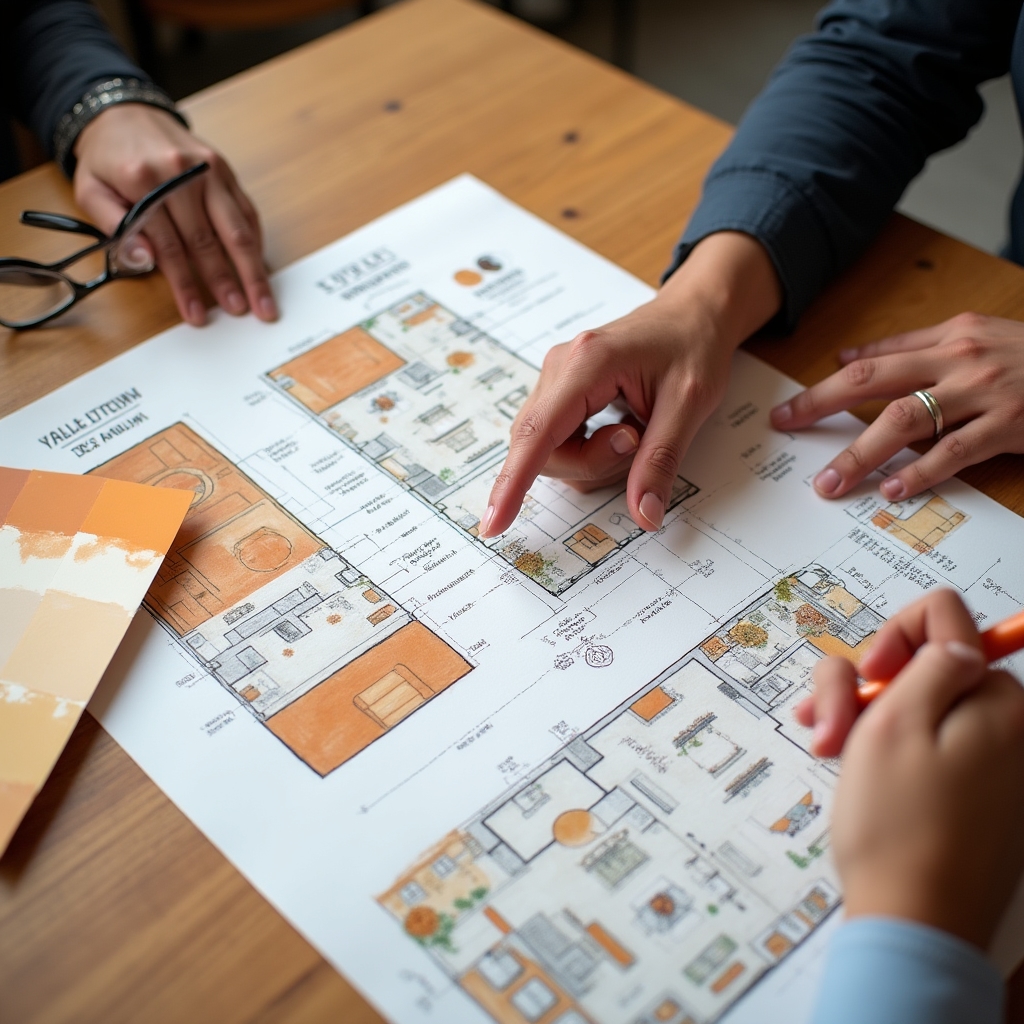
What we notice becomes a specific set of adjustments: board sequencing, queue lanes, pickup separation, phrasing for the counter, and a loyalty structure sized to your margins rather than borrowed from a chain.
Working It In
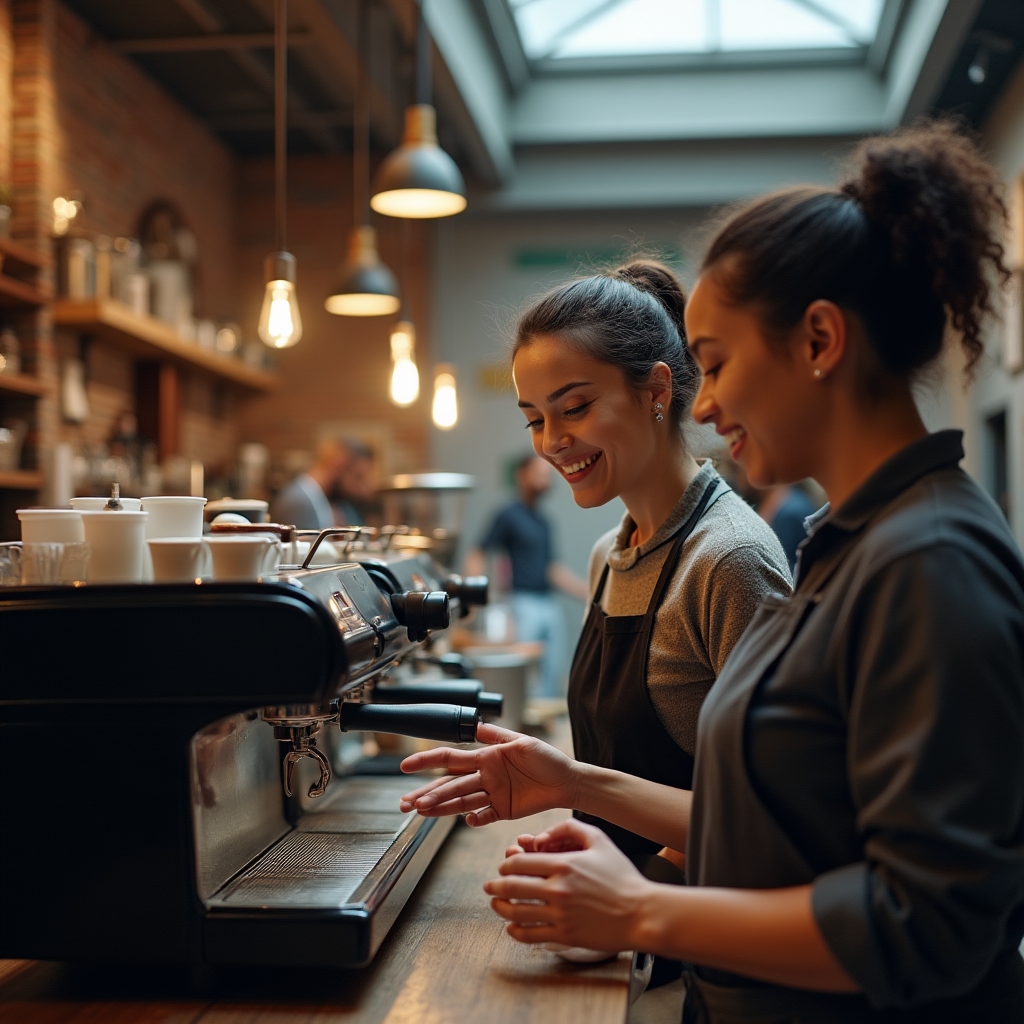
We stay close for the first weeks, adjusting based on what actually happens rather than what was supposed to happen. Staff get language that fits how they already talk, not lines to memorize.
The Journey, Mapped
Six moments between the sidewalk and the second cup
Entry & First Impression
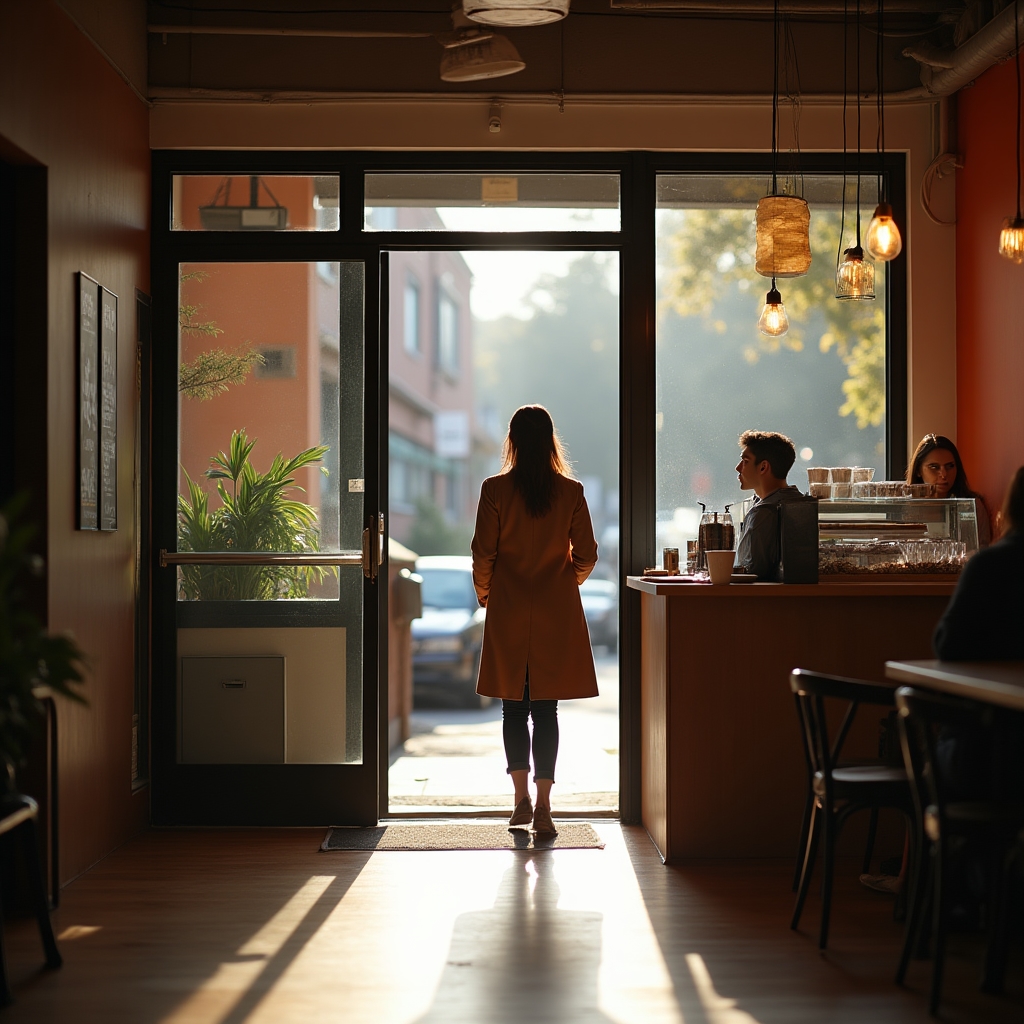
What a person sees in the first three seconds after the door sets their expectations for everything after. We look at sightlines to the counter, doorway congestion, and whether newcomers can tell where to go without asking.
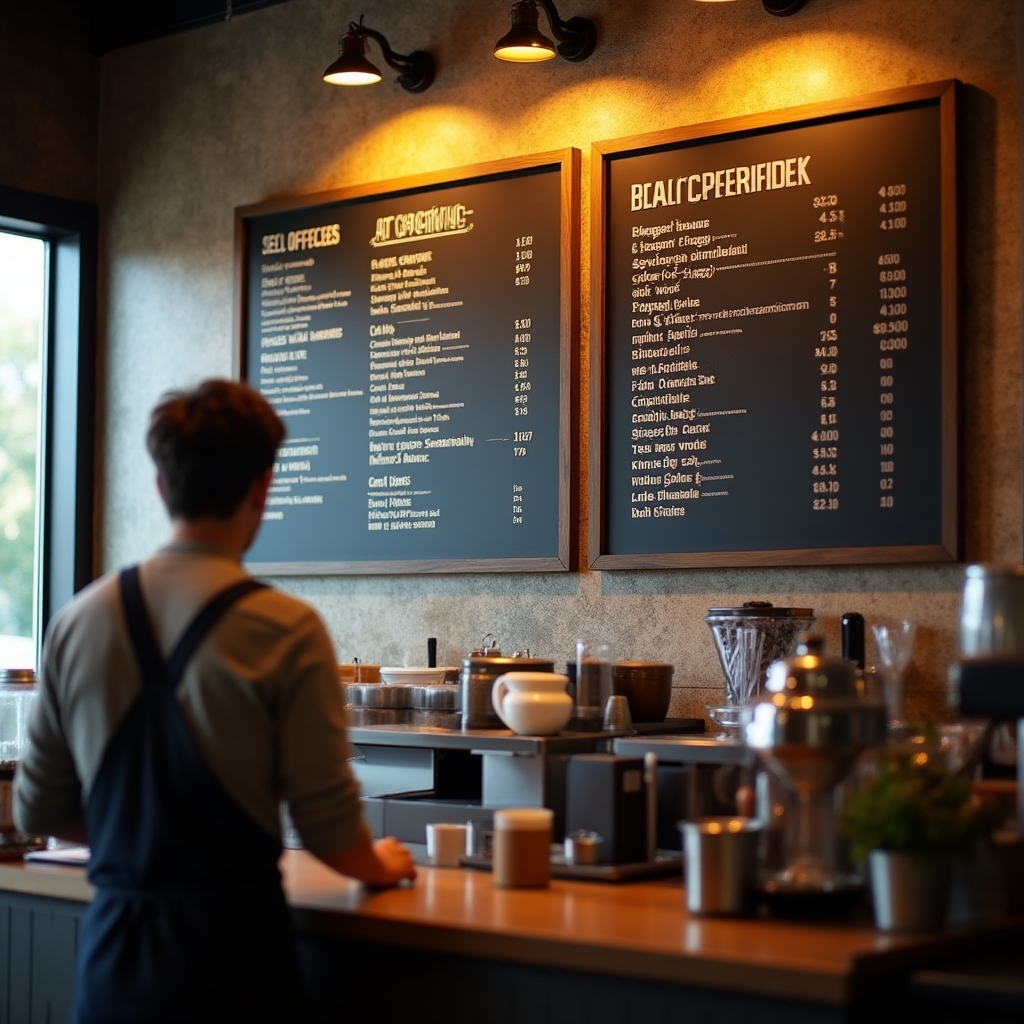
The Menu Board Decision Point
Boards placed where a queue is already forming force a choice under pressure. We study viewing distance, category order, and how many options a person actually reads before giving up and asking for "whatever's popular."
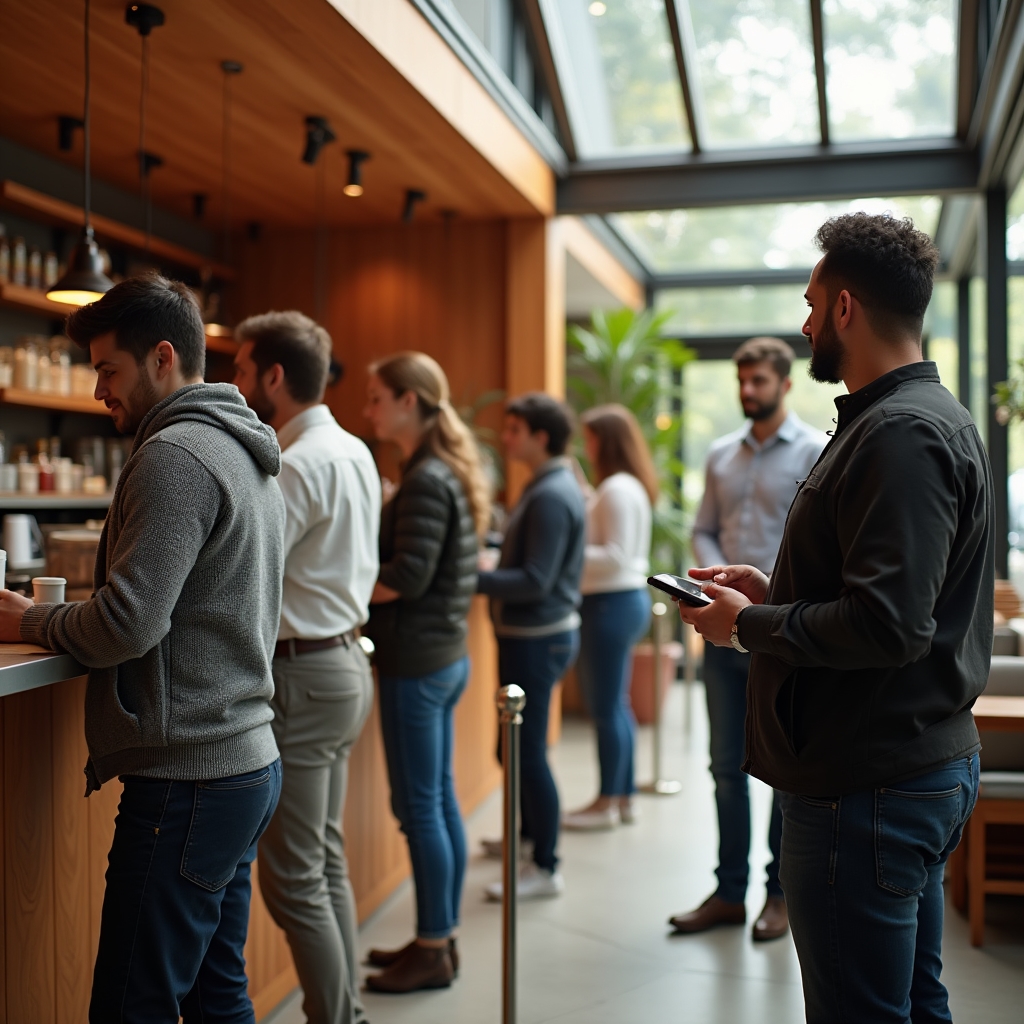
Queue Flow During the Rush
A single line reads as fair but can feel slow. Split lines feel fast but confuse newcomers. We map your actual rush pattern, not a generic template, before recommending which shape fits your counter and your regulars.
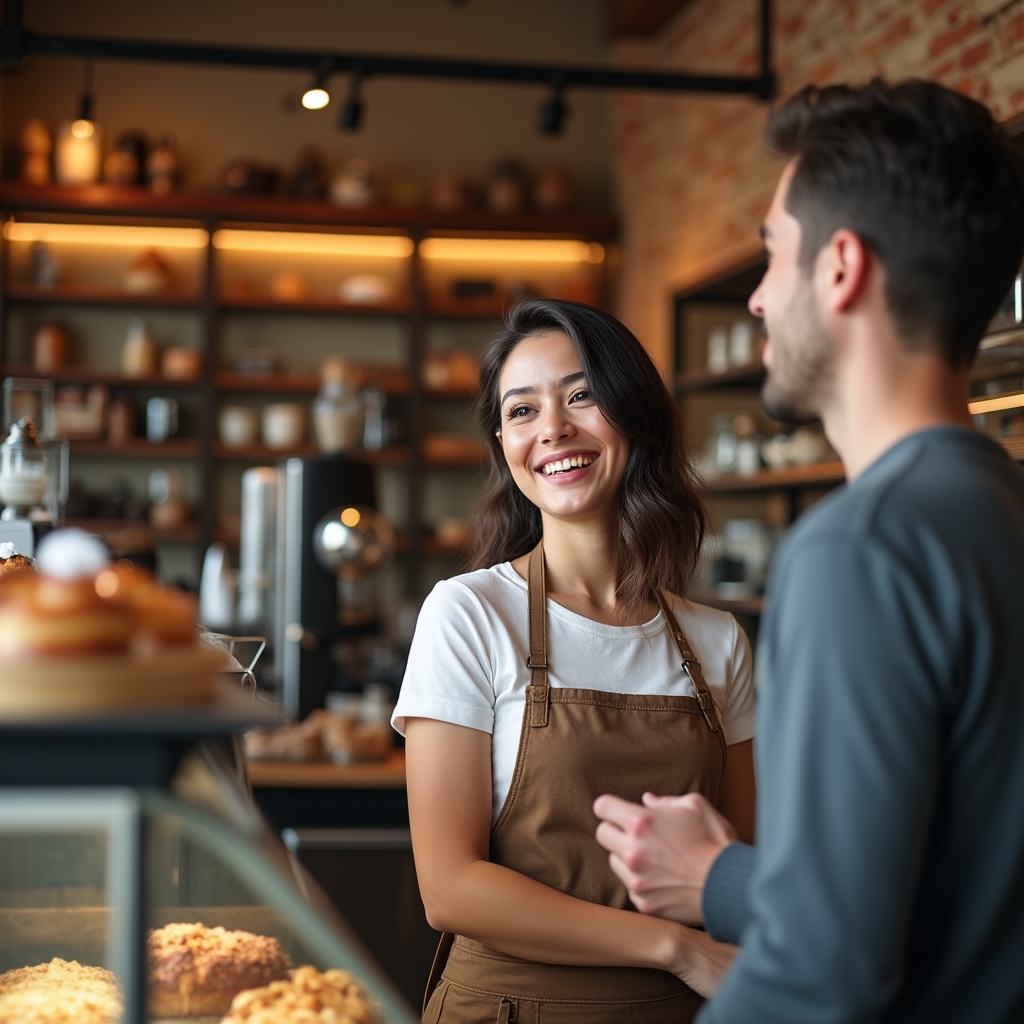
The Upsell Moment
The gap between "scripted" and "helpful" is timing and specificity. A suggestion tied to what someone already ordered lands differently than a line recited to every customer regardless of what they asked for.
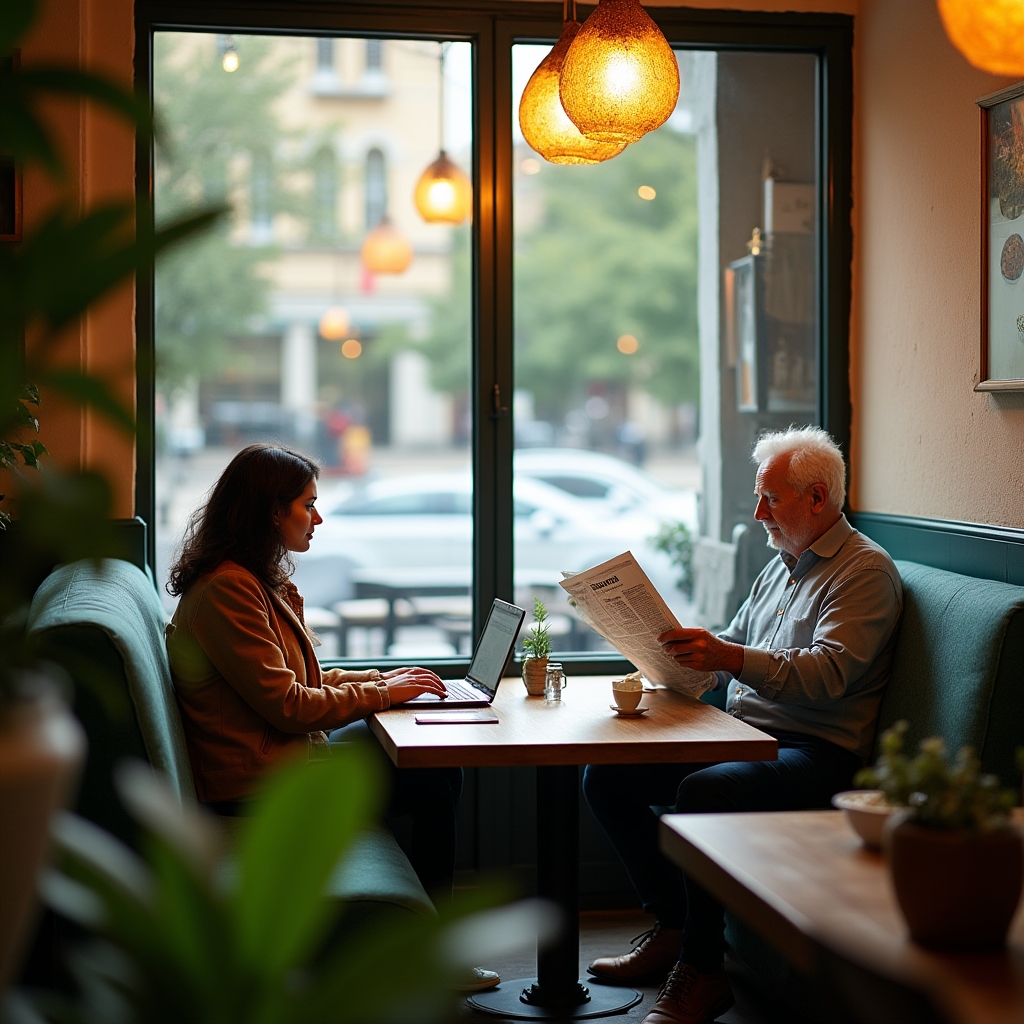
Seating, Dwell & the Second Cup
Where people sit changes how long they stay and whether they consider a second order. We look at table turnover, laptop-friendly zones, and whether seating placement quietly competes with your counter traffic.
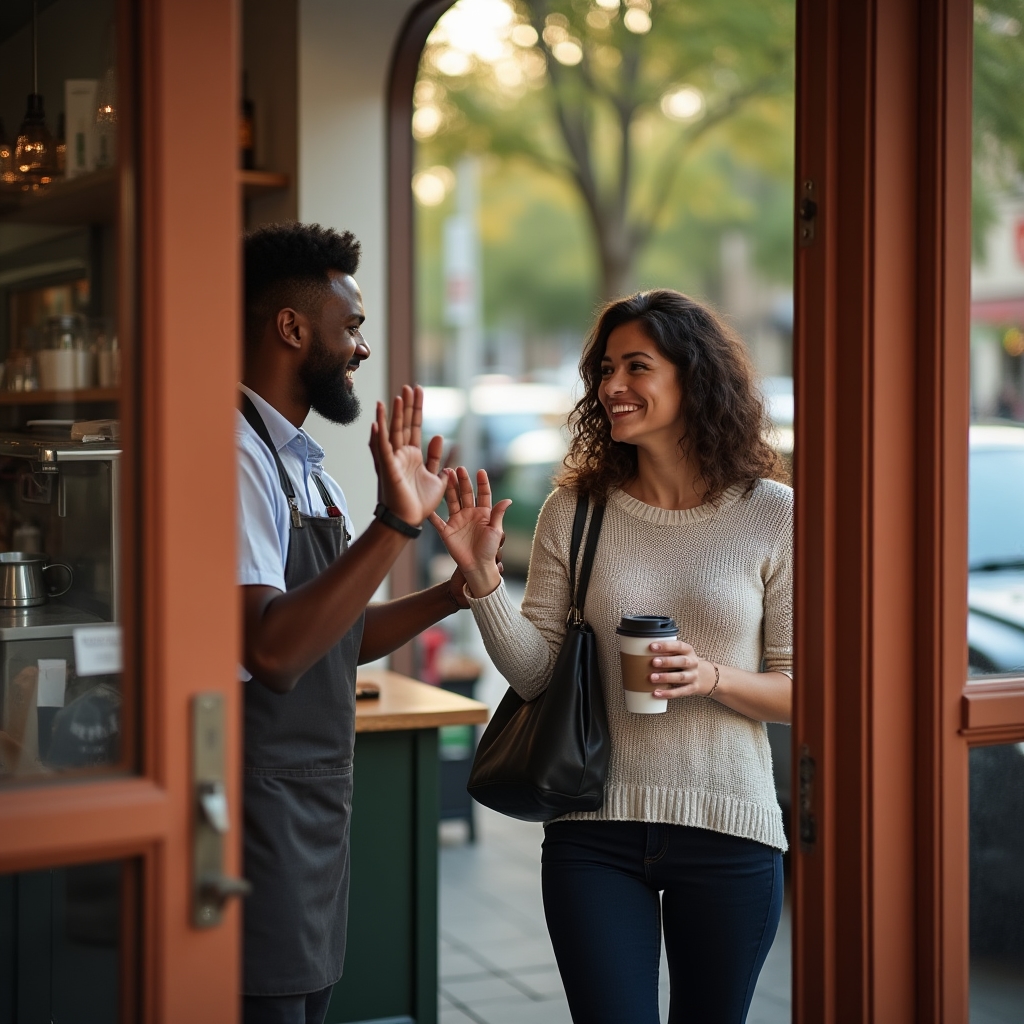
Departure & the Loyalty Touch
The exit moment is often skipped entirely. A well-timed loyalty offer here, one that doesn't interrupt the transaction, tends to land better than one pushed earlier when a customer is still deciding what to order.
Where We Focus
Four levers, applied together
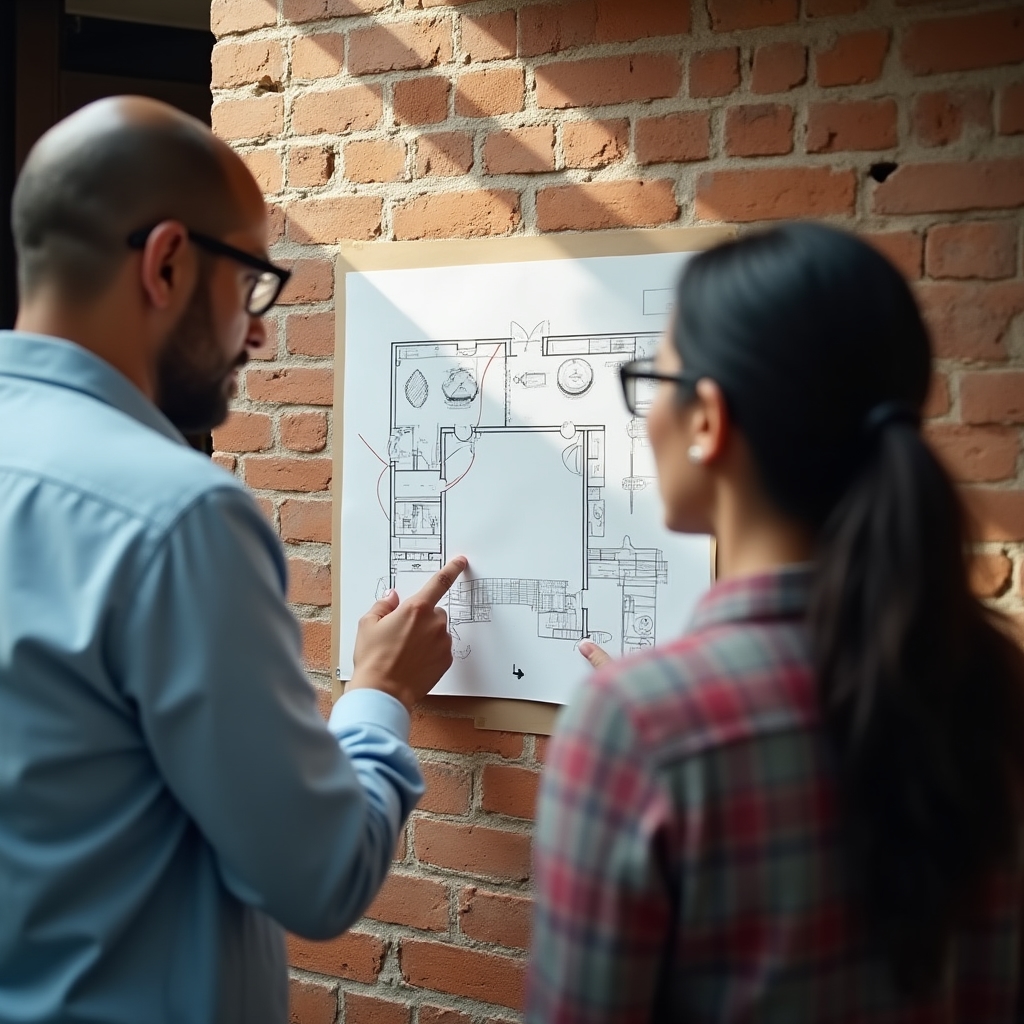
Traffic Flow Analysis
We track how people actually move through the space over multiple visits, at different hours, on different days. Patterns emerge that floor plans alone rarely reveal.
- Where entry paths cross exit paths and cause hesitation
- How far the counter is visible from the door
- Where staff movement and customer movement collide
- Whether order-ahead pickup competes with the main line
Menu Board Placement
Decision fatigue often has more to do with board position and grouping than with how many drinks are actually offered. We look at where a customer's eyes land first and last.
- Distance and angle from the point where the line begins
- Category order and whether seasonal items crowd the core menu
Queue Management
The morning rush is where friction is felt most sharply. A queue that feels slow at 8:15 can undo goodwill built over months. We test lane configurations against your real rush, not an assumed one.
- Single-line versus multi-register configurations
- Separation of mobile or order-ahead pickup from the main line
- Signage that sets expectations before someone joins the line
- Staffing rhythm that matches your actual rush curve
- Recovery plans for when a line backs up toward the door
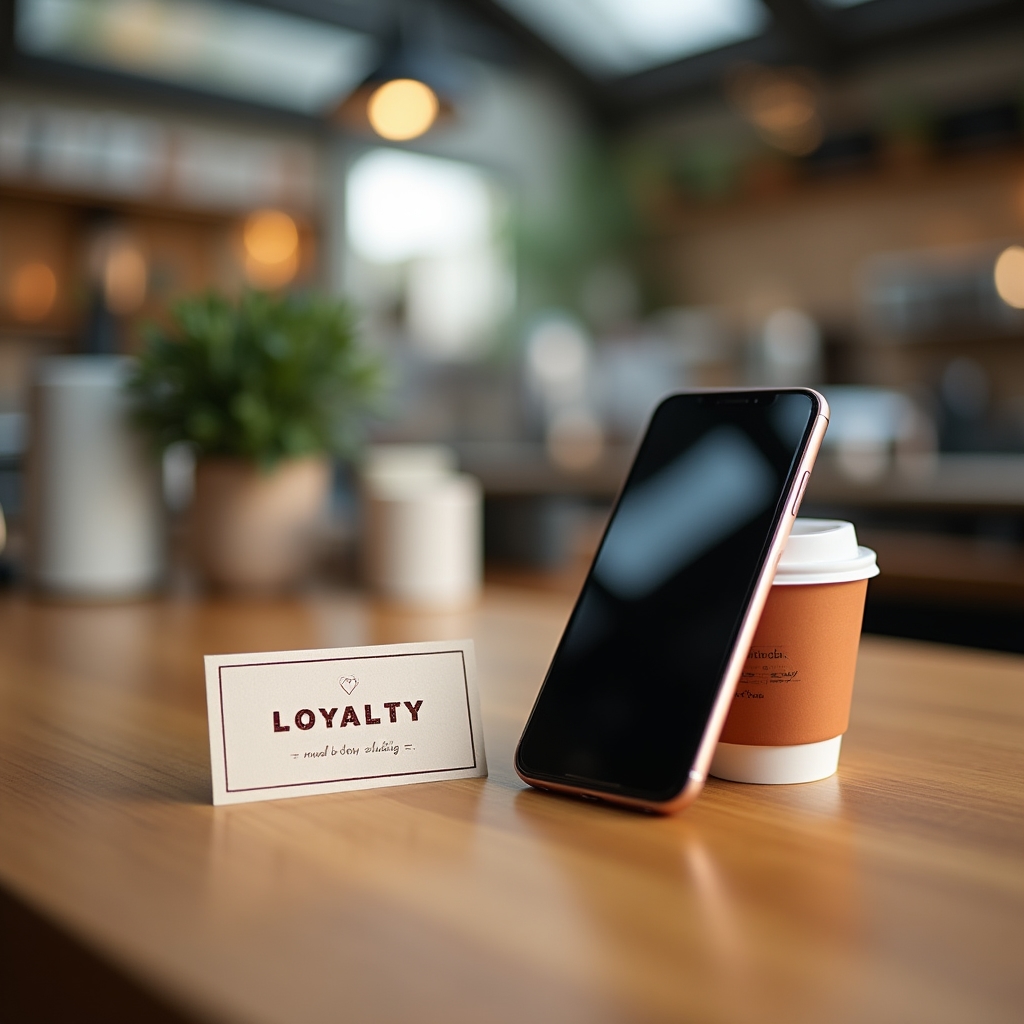
Upsell & Loyalty Design
Prompts that feel scripted usually are, word for word, every time. We work on phrasing tied to context, and on loyalty structures sized so the reward doesn't quietly erase the margin on the sale.
- Suggestion language tied to what was just ordered
- Reward thresholds tested against your actual ticket sizes
- Timing that respects the transaction instead of interrupting it
- Simple mechanics that staff can explain in one sentence
The Cost of Friction
Small frictions rarely feel small to the person standing in them
A door that swings into the queue, or a layout that makes newcomers guess where to stand, adds a moment of doubt before anyone has even ordered.
A board with too many equally weighted options can slow a line down almost as much as an understaffed counter, especially with someone new behind the register.
An upsell line repeated word for word to every customer tends to register as sales pressure rather than service, even when the intention behind it is genuinely helpful.
A loyalty card that sits forgotten in a wallet, or a discount so generous it quietly erodes margin, both fail the same test: neither changes behavior in a way that pays for itself.
Questions Owners Ask
Frequently Asked Questions
Usually both, though rarely with construction involved. Most of the meaningful change comes from repositioning what already exists: signage, the board, queue stanchions, seating, and the language staff use. Structural changes are discussed only when they're genuinely the simplest path forward.
It depends heavily on the shop and what's being addressed. A queue and board adjustment might be workable within a few weeks of observation and testing. A fuller look at traffic flow, upsell language, and loyalty design together generally takes longer, since we prefer to watch a full rush cycle more than once before recommending changes.
Rarely. Most recommendations work with what's already in the space, moved, resized, or reworded. When a physical change is suggested, it's usually something modest, like a sign, a stanchion, or a repositioned board, rather than a full buildout.
A phrase becomes scripted when it's repeated identically regardless of context. We work on principles and a small set of flexible options tied to what was ordered, so staff can adapt in their own words rather than reciting a fixed line to everyone who steps up.
We look at your actual average ticket and current cost structure before suggesting any reward threshold. A program only makes sense if the behavior it encourages, whether that's frequency or basket size, offsets what the reward costs you. Otherwise it's a discount wearing a loyalty program's clothing.
Yes, and honestly those conversations are often the most interesting ones. A shop that isn't struggling still has small frictions worth understanding, even if the goal is simply confirming that the current setup is working as intended rather than by accident.